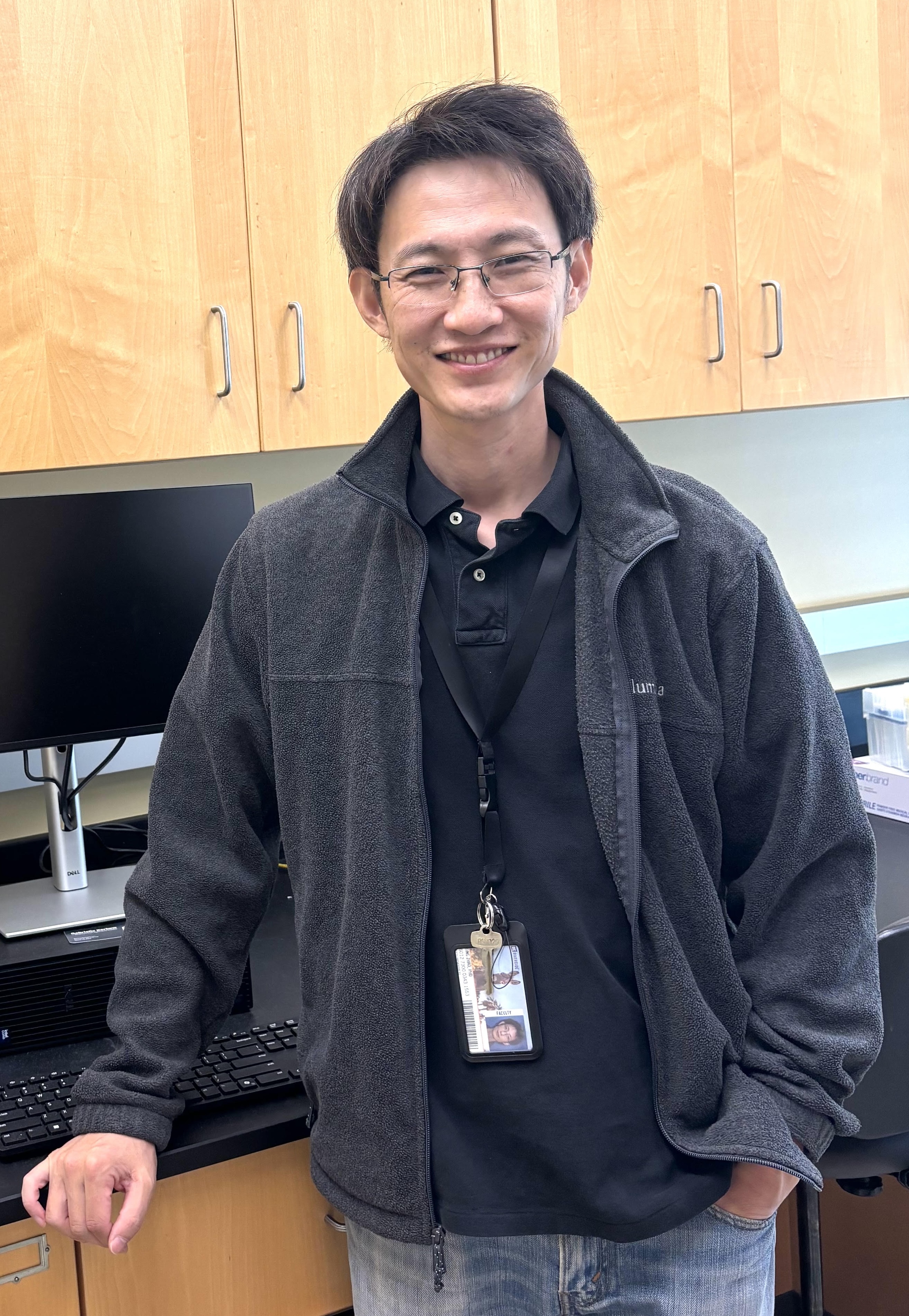
Ting Zhao, an assistant professor of molecular, cell, and systems biology at UC Riverside, has received a K01 Career Development Award from the National Institute on Aging (NIA) to investigate how RNA modifications regulate DNA repair in neurons and whether disruptions in this process contribute to Alzheimer’s disease.
“This project will look into how RNA modifications support DNA repair and whether failures in this process contribute to the accumulation of DNA breaks in Alzheimer’s disease,” said Zhao, who applied for the award last year as a postdoctoral scholar at the University of Pennsylvania. “In the long term, the findings could reveal new targets for potential treatments.”
Zhao explained the research will examine how mouse and human neurons repair DNA double-strand breaks, one of the most toxic forms of DNA damage. Because neurons are long-lived cells that must maintain their DNA throughout a lifetime, understanding how they repair this damage is essential to understanding neuronal health and function, he said.
Zhao joined UCR this year. He received his doctorate from Emory University, where his research focused on the cellular mechanisms underlying Huntington’s disease. His lab examines how RNA modifications regulate DNA repair in brain cells, with the goal of better understanding the molecular processes that maintain brain health and contribute to neurological disease.
The five-year award of more than $640,000 will also support a postdoctoral researcher in Zhao’s lab.
NIA, one of the 27 institutes and centers of National Institutes of Health, leads a broad scientific effort to understand the nature of aging. It is the primary federal agency supporting and conducting Alzheimer’s disease and related dementias research.